
Tesla refunds 2019 Cybertruck deposits after ending ANZ sales
The company offers a free year of Full Self-Driving to customers who switch to Model 3 or Model Y vehicles.
By Natalia Thornton ·
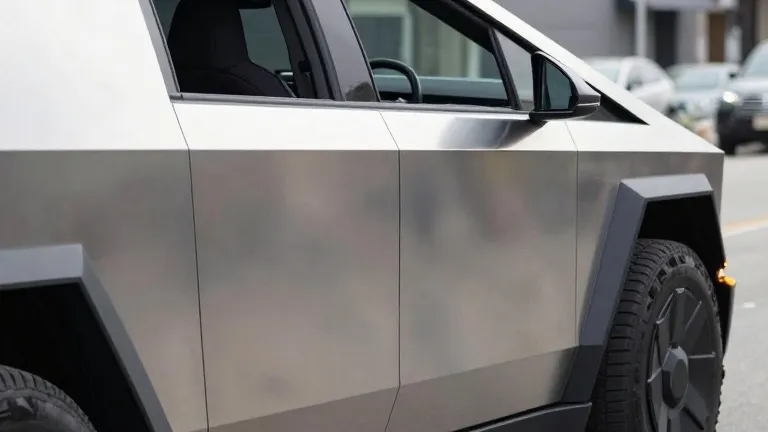
Right-hand drive vehicles have long faced structural barriers in Tesla’s production pipeline. The company has now formally closed that gap by ending Cybertruck sales in Australia and New Zealand, a move that resolves a seven-year wait for early reservation holders.
In an email sent to affected customers, Tesla stated that its plans to produce the truck for these two markets have been discontinued. The company confirmed that it will refund every deposit within 30 days of the customer receiving a confirmation email with their account details. This action affects buyers who placed reservations as early as 2019, a period when questions about the vehicle’s regional availability first emerged.
To offset the inconvenience, Tesla is offering a free year of Full Self-Driving, Supervised access to anyone who orders a new Model 3 or Model Y. This incentive targets the specific group of customers whose Cybertruck orders are being canceled, providing a direct software benefit in exchange for the lost reservation.
The core issue preventing the truck’s arrival was a manufacturing limitation. Sources told Drive Australia that Tesla’s Texas factory was not configured to build the vehicle with right-hand drive controls. This technical constraint meant the truck could not be legally driven on public roads in Australia, New Zealand, the United Kingdom, Japan, or Ireland.
The design choices of the Cybertruck have also created regulatory hurdles in Europe. The vehicle has not obtained formal approval from European authorities, largely due to concerns over its sharp edges and stiff stainless-steel body. These features are seen as hazards for vulnerable road users, specifically pedestrians.
The US Army Customs Agency recently highlighted these issues in a notification. It stated that several specifications of the truck violate EU safety standards. The agency specifically pointed to the sharp-edged body as the primary factor in failing to meet protection rules for vulnerable road users.
Despite these barriers, some Cybertrucks have reached Europe through individual workarounds. Owners have secured single-vehicle approvals by making extensive modifications to the trucks to satisfy local regulators.
Source: Engadget