Tesla Roadster cockpit reveals thruster controls
A new video details the fighter-jet inspired interface and telemetry that will manage the electric car's rocket-powered acceleration.
By Fatima Laurent ·
Tesla is attempting to reconcile the stark contrast between a consumer electric vehicle and the raw, violent physics of its upcoming flagship. The tension lies in how the company translates the extreme power of the Roadster’s propulsion system into a user interface that remains intuitive for drivers who may not be professional pilots. By framing the cockpit experience through the lens of aerospace design, the automaker is signaling that the next generation Roadster is less about everyday commuting and more about managing a high-performance machine. This shift in design philosophy marks a significant departure from the minimalist, map-centric screens found in the rest of the electric lineup, suggesting a vehicle where the driver must actively manage aerodynamic and mechanical forces in real time.
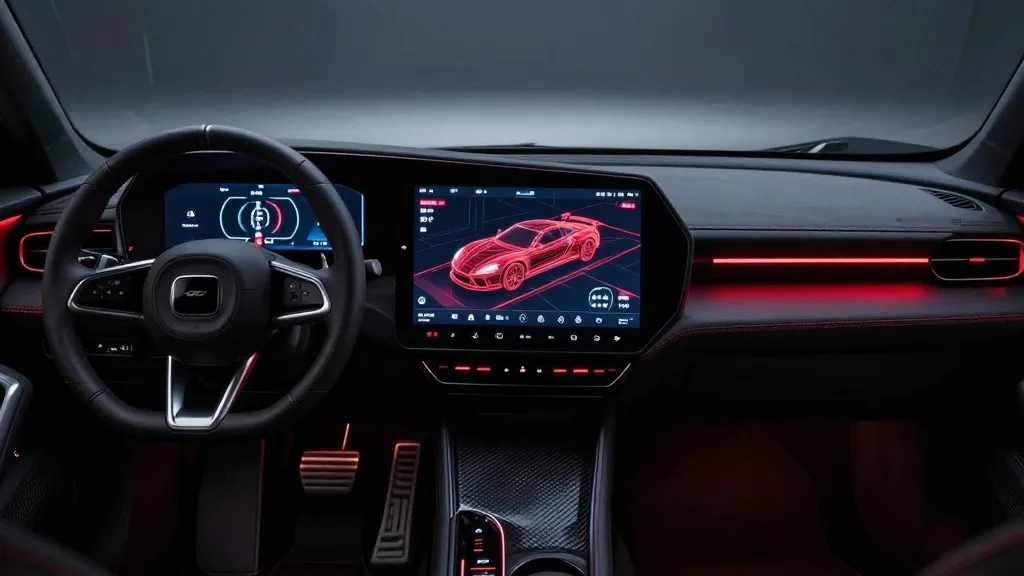
The specifics of this interface were detailed in a 34-second video released to X on Friday afternoon. The footage highlights a system described as inspired by fighter jet cockpits, with the interface explicitly designed around the pilot. The display features a 3D wireframe of the vehicle positioned beside a squared-off yoke. Interactive elements allow the driver to adjust the rear wing between low drag and high downforce configurations. The bottom of the screen houses standard navigation tabs for Home, Vehicle, Listen, Climate, and Navigate, but the core functionality is reserved for performance modes.
The bulk of the demonstration focuses on Track Mode, which transforms the dashboard into a dense array of telemetry. Drivers can monitor live circuit maps, session lap times, and brake and motor temperatures. Crucially, the system displays pressure and temperature readouts for each individual tire. The setup page offers granular control, allowing users to select Auto, Low Drag, High Downforce, or Custom aerodynamic modes. It also permits adjustments to aero and brake balance, along with the ability to disable stability and traction control. A persistent status bar at the bottom displays the Thruster pressure at 5,500 PSI and indicates when the Boost system is ready.
This software integration directly mirrors the hardware revealed near Waco, Texas, in mid-October. The Thrust and Rocket variants utilize cold gas thrusters supplied by carbon-overwrapped pressure vessels. Tesla projects 0 to 60 mph acceleration times of under 0.9 seconds for the Thrust version and under 0.59 seconds for the Rocket. In contrast, the base Performance model relies on a fan and ground sealing system for grip. The on-screen aerodynamic settings align with the active wings and suction technologies previously detailed in analyses of the car's downforce generation.
The Roadster's cockpit layout breaks from Tesla’s established design language. Rather than centering the screen on a navigation map, this interface places the vehicle itself at the center of the home page. Tesla’s official materials indicate that two smaller forward-facing displays will flank the main touchscreen. It remains unclear whether this specific level of Track Mode telemetry will eventually trickle down to other models, such as the Model 3 Performance, or if it will remain exclusive to the flagship platform.
The timeline for this technology reaching consumers is anchored in 2028, the year Elon Musk stated production would begin at the October event. The highest-performance Rocket version is currently not approved for public road use, positioning it as a specialized track machine. Reservations are open to the public with a $50,000 deposit, while the Thrust variant is designated as a limited release and the Rocket is available on an invite-only basis.
The stakes for potential buyers are high given the exclusivity and the experimental nature of the propulsion systems. The interface serves as the critical link between the driver and the complex engineering of the thruster system, requiring precise input to manage the vehicle's extreme capabilities. As the software continues to evolve, the final look of the cockpit may still shift before deliveries begin.
For those eager to examine the hardware behind these digital displays, the public will have its first close look this weekend. The Roadster is scheduled to be displayed in the lobby of the Petersen Automotive Museum in Los Angeles from October 24 to 27. This exhibition marks the first time the general public will be able to view the vehicle up close, offering a tangible counterpart to the digital preview provided in the recent video.
Source: Teslarati · original report published