SpaceX declines military contracts as PLD Space nears Miura 5 readiness
The private space sector faces diverging paths this week, with SpaceX turning down government work while a Spanish startup finalizes its first rocket.
By Adewale Rousseau ·
The commercial space industry continues to navigate a complex landscape of government partnerships and technical hurdles, with recent developments highlighting both strategic choices and engineering challenges. This week brought significant updates from major players, ranging from high-profile contract negotiations to final integration tests on emerging launch vehicles.
SpaceX has reportedly turned down three launch contracts offered by the US Space Force. The company communicated its decision to the military branch, effectively declining the opportunity to handle these specific missions. This move marks a notable shift in how the leading private provider manages its relationship with government clients, suggesting a potential realignment of its current portfolio or a strategic pause in expanding its military footprint.
While the commercial and military sides of the business saw this rejection, the civil space sector faced a different kind of scrutiny. A NASA safety panel reviewed the requirements for SpaceX’s Starship vehicle. The panel indicated that a lunar landing mission might require up to 22 separate refueling events. This figure raises questions about the logistical complexity and timeline associated with future crewed missions to the moon, potentially impacting planning for deep space exploration.
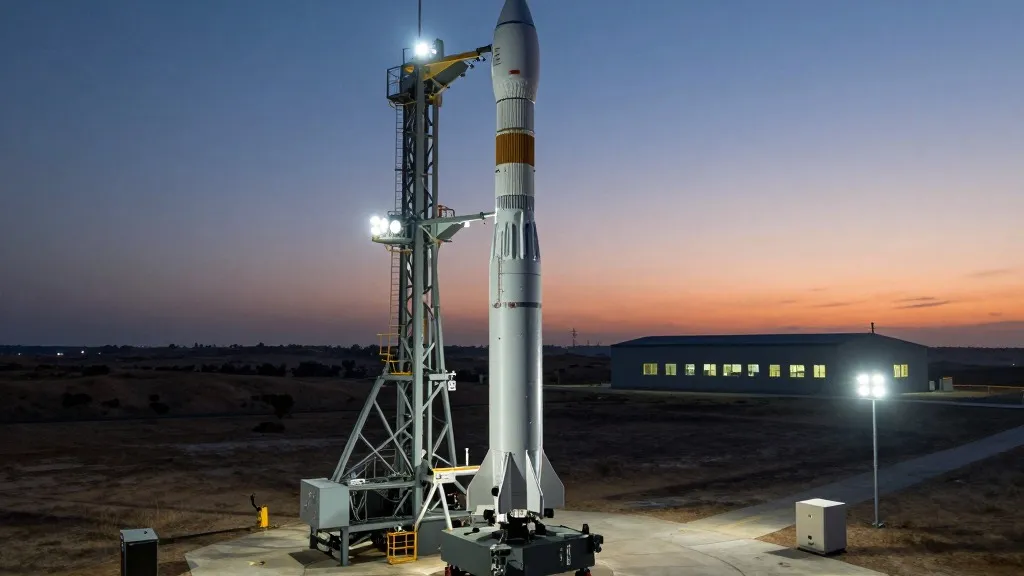
In Europe, Spanish startup PLD Space is advancing its Miura 5 rocket toward its inaugural flight. The company stated that the vehicle is nearing final integration. According to reports from Aviation Week, the Miura 5 is scheduled for its first launch in the coming year. This small-lift vehicle represents a key milestone for the company as it seeks to establish a reliable launch capability in the European market.
PLD Space CEO Raúl Torres provided details on the production status during a program update on October 19. He noted that the company has already manufactured three Miura 5 rockets. The first two were designed to test and qualify key system elements. The third vehicle is the one currently being prepared for its maiden voyage. Torres emphasized that building these three vehicles allowed their teams to work continuously across different stages of production and integration.
Torres added that the lessons learned from each qualification campaign were applied directly to the launch vehicle. This iterative process is intended to ensure that the final rocket is robust and ready for operation. The company is now targeting a first flight for the small-lift vehicle before mid-2027. This timeline suggests a steady but cautious approach to bringing a new rocket to market.
Technical testing is currently underway at PLD’s facility in Teruel. One Miura 5 second stage is now fully integrated. This stage is undergoing system-level testing under representative operating conditions. The qualification campaign includes a wet dress rehearsal and a static hot-fire test. These tests are critical for validating the rocket’s performance before it attempts to reach orbit.
Meanwhile, in Canada, Reaction Dynamics is seeking to raise $350 million to expand its operations. The company plans to grow its staff from 68 to more than 350 people. This funding round aims to support the development of its small-lift Aurora rocket. Reaction Dynamics hopes to see the Aurora reach orbit in 2028. The company is also planning a medium-lift rocket called Borealis, which is targeted for a debut by 2031.
These developments illustrate the diverse strategies being employed by new entrants in the launch market. While some companies are scaling up rapidly with significant capital raises, others are focusing on rigorous testing and integration to ensure reliability. The sector remains dynamic, with each player balancing immediate milestones against long-term goals in a competitive environment.
Source: Ars Technica · original report published