Humanoid Robotics: Tesla Launches Self-Teaching Optimization Line
Tesla has activated a high-volume production line for Optimus robots in Fremont, introducing a training academy where thousands of units will autonomously refine their own software capabilities.
By Natalia Thornton ·
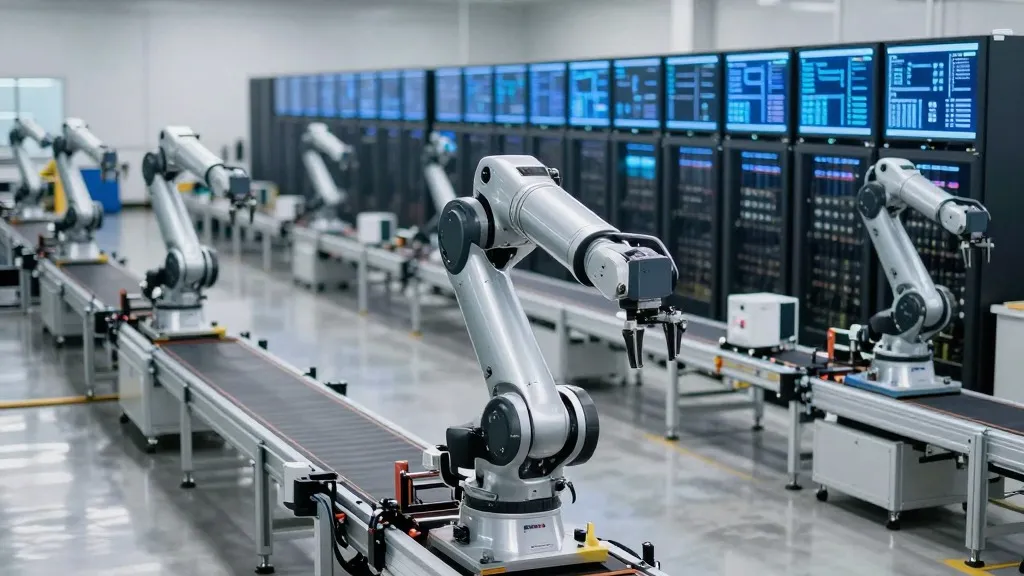
A significant shift is underway in the manufacturing landscape as Tesla moves to produce humanoid robots at a scale that challenges traditional assembly methods. The central tension of this transition lies in the gap between producing a prototype and manufacturing a durable commercial product capable of operating in unpredictable environments. Tesla asserts that it has bridged this divide, declaring that the units now emerging from its production line meet the rigorous standards required for real-world deployment. This marks a decisive step away from experimental prototypes toward a standardized, market-ready robotic workforce.
The company confirmed in its third-quarter shareholder letter that the robots manufactured on this new line are the first to achieve production quality. By doing so, Tesla claims to have validated that the current manufacturing process is sufficiently robust for a commercial product. This declaration serves as a foundational claim for the program, suggesting that the mechanical and electrical integration of the Optimus unit is now stable enough to withstand the demands of industrial use.
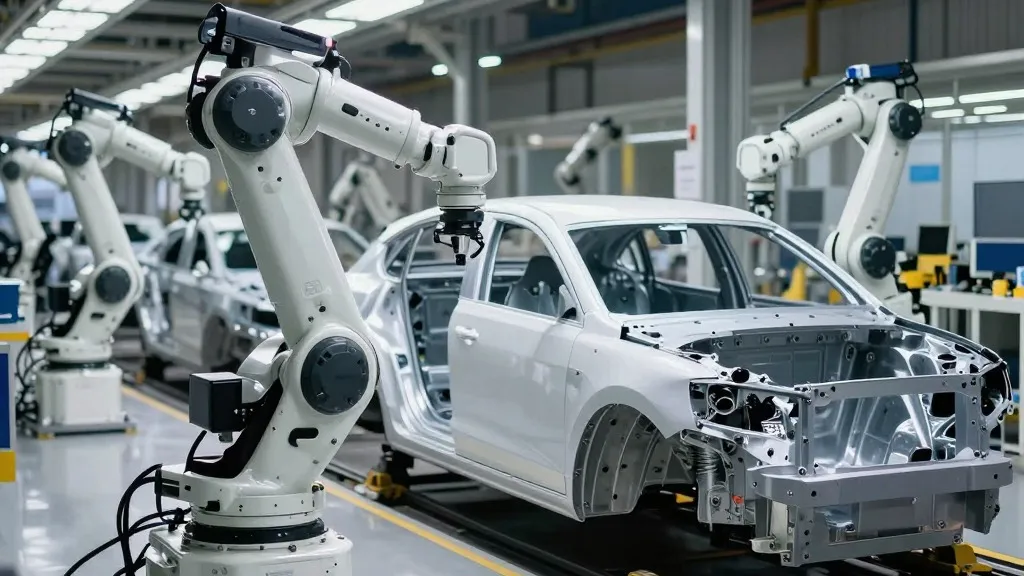
The physical infrastructure supporting this ambition is located within the Fremont factory. The space, which previously housed the assembly lines for the Model S and Model X, was cleared out in forty-six days this spring to accommodate robot production. The new line is designed with a long-term capacity of one million units annually. During the earnings call this week, Elon Musk noted that the majority of the equipment required for this massive output is already installed in the facility. He indicated that output levels are expected to rise toward approximately twenty thousand robots per week as the production ramp progresses.
Musk characterized the growth trajectory as a classic S curve, though he emphasized that the initial phase will feature a shallow slope. The engineering team is currently focused on refining the robot's artificial intelligence, electromechanical design, reliability, and overall service life. Tesla expects to complete these refinement tasks by the end of next year. At that point, the company plans to begin delivering Optimus units to external enterprises, specifically targeting roles that are dangerous, repetitive, or require around the clock operation.
A critical challenge in this development is the method for teaching the robots. Unlike Tesla’s automotive division, which benefits from a vast fleet of cars sending real-world driving data back to its AI team, the Optimus program lacks a comparable data source. Musk acknowledged this disparity, noting that the absence of a large existing fleet limits the availability of natural training data. To solve this, Tesla has established the Optimus Academy.
Within this academy, between ten thousand and twenty thousand robots will practice a diverse array of tasks. The insights gained from these practices will be fed back into the next version of the model, creating a continuous learning loop. Every unit that leaves the Fremont line effectively becomes a node in this data network, contributing to the collective intelligence of the fleet. This strategy aims to replicate the data advantage that has defined Tesla’s approach to autonomous driving, but applied to humanoid robotics.
Hardware improvements are also on the horizon. Tesla intends to integrate its AI5 chip into the Optimus platform next year. Musk stated that a new video demonstration is expected within one or two months. This footage will showcase the robot completing tasks driven by artificial intelligence rather than preprogrammed motions. In doing so, he distinguished Tesla’s approach from rival humanoid demonstrations that rely on scripted routines, arguing that such scripted movements would lack the necessary adaptability for real-world conditions.
The supply chain is aligning with these production goals. In September, Tesla certified Tuopu, Joyson, and Sanhua as mass production partners for key Optimus components. Simultaneously, a much larger Optimus factory is under construction at Giga Texas. Recent drone footage indicated that the steel frame of this facility is nearing completion. Musk has identified this new plant as the location for a long-term target of ten million robots per year.
Executives also highlighted that Optimus production costs are trending toward the expected manufacturing costs of the Cybercab. This alignment suggests that the robot is being engineered for high-volume efficiency from the outset. However, the design of the robot’s hands remains the most difficult component to finalize. Musk reiterated this point at a recent event, noting that a significant portion of the current engineering effort is dedicated to solving the challenges associated with the dexterity and durability of the robotic hands.
Source: Teslarati · original report published