Greece Sets January 2027 Deadline for New Under-15 Social Media Restrictions
The Hellenic Republic has formally adopted legislation that will prohibit children under fifteen from accessing major social platforms starting next year, marking a significant regulatory shift in Europe.
By Fatima Laurent ·
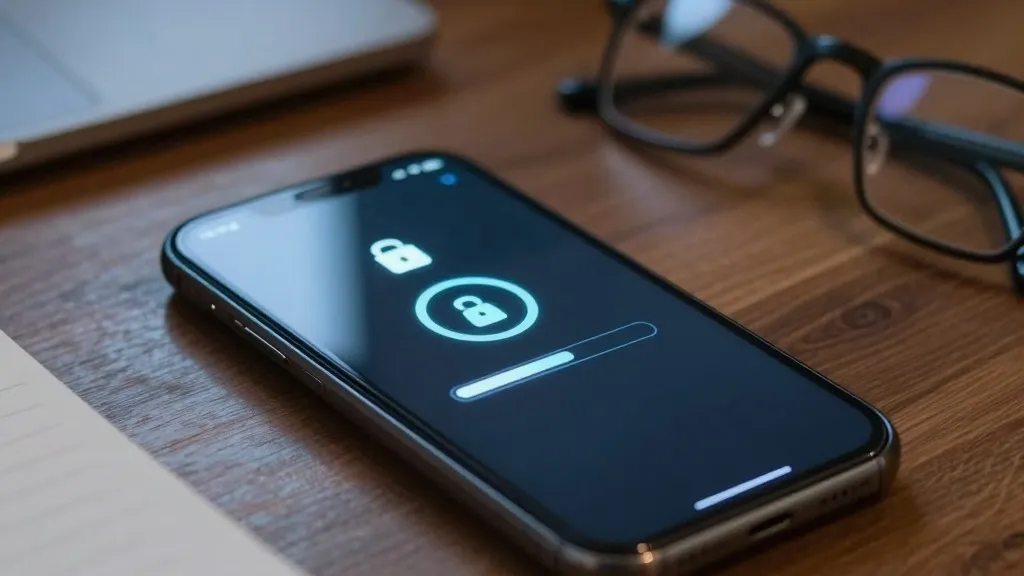
Beginning on January 1, 2027, children in Greece under the age of fifteen will no longer be permitted to use major social media platforms without specific state-backed verification. This new legal framework officially takes effect at the start of next year, establishing a firm deadline for compliance by digital service providers operating within the country.
The Hellenic Parliament recently passed this legislation, a move that had been anticipated since Prime Minister Kyriakos Mitsotakis introduced the proposal earlier this year. The bill is described by the government as a difficult but necessary step. It positions Greece as one of the first nations within the European Union to impose such a targeted restriction on young users of digital services.
The scope of the law includes prominent platforms such as TikTok, Instagram, Facebook, and X. These services are now required to implement age-verification methods that are both reliable and proportionate to their user base. The regulatory aim is to ensure that access is granted only when a user’s age is confirmed through robust digital means.
Dimitris Papastergiou, the minister for digital governance and artificial intelligence, defended the timing of the decision. He noted that waiting for a perfect European-level law would have been an easy choice, but the daily impact of the internet on children demanded immediate action. Papastergiou stated that a responsible government must fulfill its obligation to address these challenges as they arise.
Compliance with the new act is enforced through the European Union’s Digital Services Act, which outlines penalty structures for non-compliance. For families, the process involves using state-supported applications named Kids Wallet or Gov.gr. These tools must be paired with the child’s device to block access. Papastergiou explained that these apps utilize age tokens to verify age while minimizing the collection of personal data, thereby protecting user privacy.
The legislative path was not without political friction. Minority parties in parliament opposed the measure, but the ruling majority was able to push the bill through. This development follows a broader trend in the country, which previously banned mobile phones in schools in 2024. Current opinion polls indicate that the adult population of Greece largely supports the new restrictions on social media use for children.
The Greek government has expressed a desire to influence broader European policy. Mitsotakis previously stated that the aim is to encourage the European Union to move in the same direction. The European Commission has recently introduced the EU Kids Act, though that proposal currently mandates an outright ban only for children under the age of thirteen.
The implementation of this ban in Greece follows Australia, which was the first country to enact a full social media ban for children. However, the Greek approach comes with its own set of questions regarding the practical challenges of age verification. While the law is now official, the effectiveness of the verification methods and the long-term impact on digital habits will remain subjects of observation as the new year approaches.
Source: Engadget · original report published