Rubio Calls on Cubans to Partner with CIA as Trump Revives Warship Plan
The US Secretary of State urged islanders to act now, days after the President described a naval stopover near Cuban shores during a Florida rally.
By Natalia Thornton ·
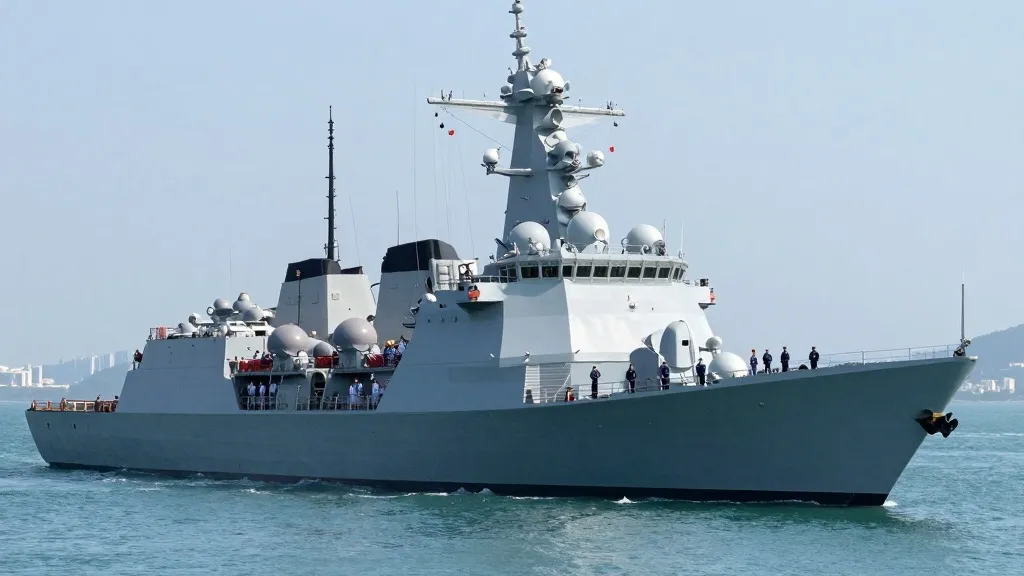
The number 50 stands out in recent remarks by President Donald Trump regarding a potential military presence near Cuba. This figure represents the approximate distance, in yards, that American warships might stop off the coast during a return voyage from the Iran war. The President shared this detail during a campaign rally in south Florida on Friday, where he addressed a crowd of voters just days before the midterm elections. The timing is significant because many voters there are concerned about how the ongoing conflict in Iran has driven up prices for essential goods like gas and groceries.
The President’s comments provided the backdrop for a direct message from Secretary of State Marco Rubio. Rubio took to social media to address Cubans who wish to see political change in their island nation. He declared that the current moment is the right time to act. In his post, he pointed to widespread disappointment with broken promises, systemic corruption, and the privileged lifestyles of a small elite. He encouraged the population to seize this opportunity to create the change they desire. Specifically, he suggested doing so through what he called a discrete partnership with the CIA.
A notable linguistic detail emerged in Rubio’s message. He used the word discrete, which typically means separate or distinct. However, in this context, he likely intended to use the word discreet, meaning private or secret. Rubio, whose parents emigrated from Cuba to the United States before the socialist revolution, has a personal connection to the island. His choice of words has sparked discussion about the intended nature of the proposed collaboration between Cuban reformers and the American intelligence agency.
The President’s idea of using warships as a platform for diplomacy is not entirely new, but it had gone quiet in recent months. He first floated the concept earlier in the year but had not mentioned it for a while. He brought it back into the conversation in response to a question from the audience about the island nation. He described a scenario where ships pass Cuba on their way back from Iran, with one vessel stopping close to the shore. He added that the sailors would raise their hands in greeting. Then, he said, the administration would send Marco Rubio to finish up the deal.
Havana reacted quickly to these developments. The Cuban deputy foreign minister, Carlos Fernandez de Cossio, mocked the comments on the social platform X. He wrote that the United States was resorting to public recruitment for the CIA. He added that there must be a great deal of desperation or misery within the agency for it to be forced to sell its services like a tube of toothpaste. This response highlights the tension between the two governments and the public nature of the recent diplomatic overtures.
Both Trump and Rubio have adopted an aggressive tone regarding Cuba in recent months. The President previously suggested that the country would be next for intervention abroad after the Iran war winds down. He has long predicted such an outcome, though it has not yet materialized. In May, the two officials raised the prospect of military action. That threat carried more weight after the administration announced criminal charges against former Cuban leader Raúl Castro. Trump told reporters in the Oval Office that earlier presidents had considered intervening for decades. He noted that it looks like he will be the one to do it. Rubio stated that Cuba has long been a national security threat due to its ties to US adversaries. He said the administration wants a peaceful resolution but doubts one can be reached with the current government.
Rubio had not addressed Cuba in depth publicly for several weeks prior to this week. In a Fox News interview on September 29, he described the island as having already fallen. He characterized it as a country without a functional economy, run by people preaching a revolution that has been dead for 20 years. He voiced hope that Cuba would choose a different path. He also said the US would never allow the island to become a base of operations against American interests. Notably, he did not mention any CIA operation in that interview.
Diplomacy between the two nations has been uneven in recent months. Rubio and other senior aides have met Cuban officials to explore better relations. However, the US side came away unimpressed, and more sanctions followed. In his speech to the UN general assembly last month, Trump said Rubio was deep into negotiations with Cuba. Days later, he told reporters he expected the two countries would make a deal and did not think the military would be needed. Earlier this week, the two governments clashed at the UN as Washington sought to build opposition to an upcoming annual vote condemning the US economic embargo.
The backdrop for these diplomatic and military discussions is a severe economic and energy crisis in Cuba that began in 2020. The country’s gross domestic product has shrunk during this period. Its 10 million residents have faced persistent blackouts, food shortages, and high inflation. Waves of protests have occurred across the island. Hundreds of thousands of Cubans have emigrated, with many moving to the United States. This context explains why Rubio’s message about acting now resonates with a population facing significant hardship.
Source: The Guardian