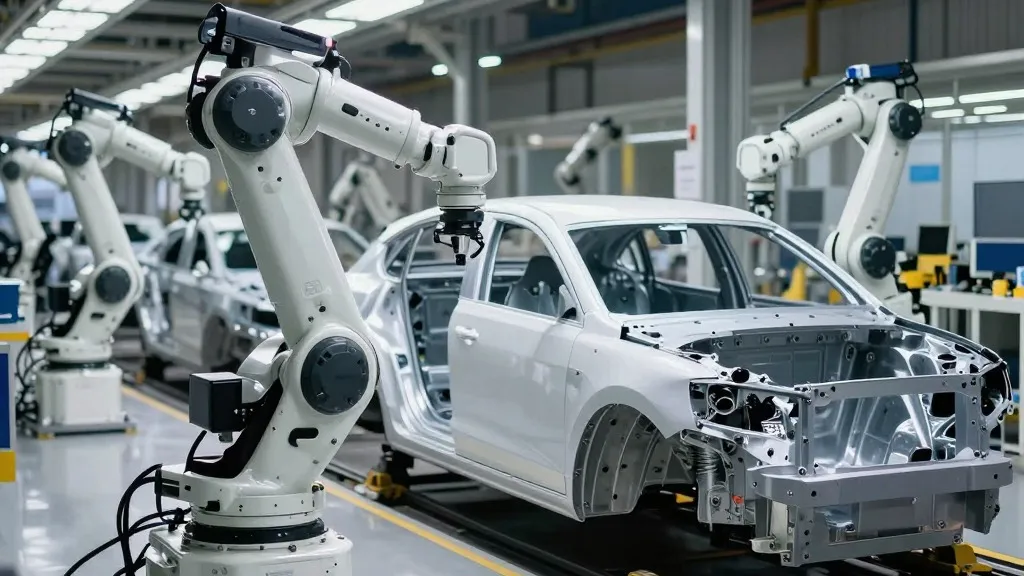
Production Ramp: Apple Surges iPhone Duo Output Amid Unprecedented Demand
Supply chain data reveals a significant increase in manufacturing targets for the new folding smartphone, driven by immediate customer interest.
By Adewale Rousseau ·
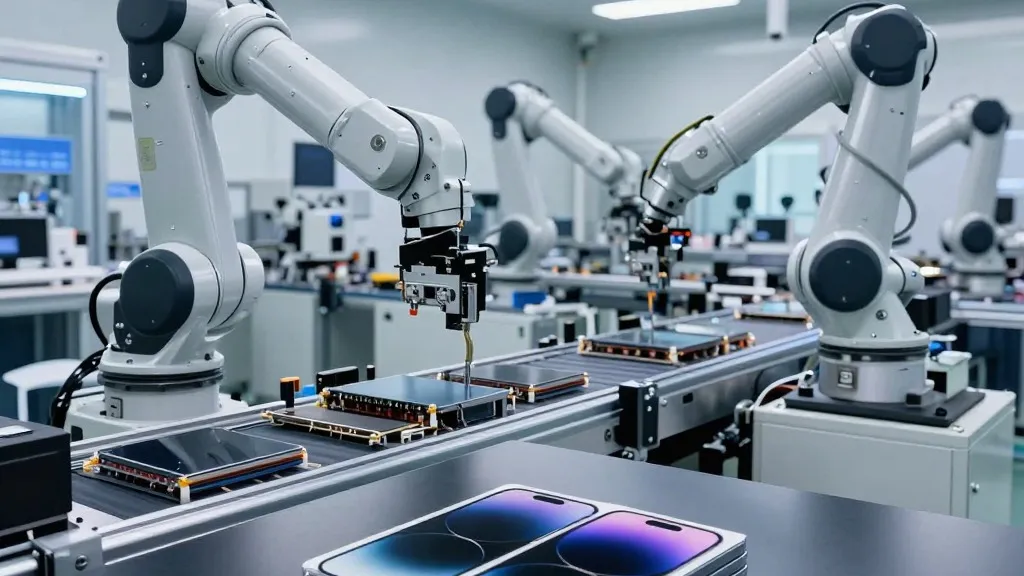
Apple has significantly elevated its manufacturing targets for the iPhone Duo, increasing planned shipments by more than 40 percent to address what the company has characterized as extraordinary pre-order demand. According to supply chain reporting, the company has raised its shipment goal for the first twelve months from 9.7 million units to 14 million units. This substantial adjustment in production volume signals a firm commitment to meeting the immediate market appetite for the device, which marks the company's first foray into the folding smartphone category.
The decision to boost output follows a launch period marked by logistical challenges. When pre-orders opened on Friday, customers almost immediately observed extended delivery timelines, with some estimates stretching into late January. The rapid slipping of delivery dates created initial ambiguity regarding whether the delays were a result of robust consumer interest or insufficient inventory. However, the latest production figures suggest that the former was the primary driver, prompting the accelerated manufacturing response.
Apple attributed the initial delays to the high volume of orders, a phrasing the company has historically employed during new iPhone introductions. To manage the flow of orders and mitigate the impact of scalpers, the company implemented a restriction limiting purchases to a maximum of two units per customer. This measure was designed to ensure broader access to the device while stabilizing the supply chain during the critical launch window.
Subsequent reports indicate that some early customers have since received revised, earlier shipping estimates. This shift in delivery schedules aligns with the reported ramp-up in production. The adjustment suggests that the supply chain is now moving at a pace that allows for faster fulfillment, moving away from the initial backlog created at the open of pre-orders.
Background on the device reveals that it represents a significant hardware departure for Apple. As the first folding iPhone, the iPhone Duo introduces a new form factor that requires distinct software and hardware optimizations. The company has emphasized that while the hardware is ready, the software ecosystem is still in a state of active development to support the unique display and hinge mechanics.
Reactions from early adopters and reviewers have highlighted a consistent set of observations regarding the user experience. After a week of usage, initial reviews have identified five key takeaways, with app support being a primary concern. Early users have noted that third-party applications have not yet been fully optimized for the new device, leading to occasional display or functionality issues that are expected to resolve as developers adapt their software.
In addition to software challenges, the hardware design has drawn attention for its biometric security features. The iPhone Duo utilizes Touch ID for authentication, a notable downgrade from the Face ID system found in previous generations of iPhones. However, industry reports suggest that this design choice may be temporary, with Apple already testing prototypes for a second-generation device that could reintroduce facial recognition technology.
The current production surge is a direct response to the sustained demand observed in the early days of the launch. By increasing the shipment target to 14 million units, Apple is positioning itself to satisfy both the initial rush of buyers and the anticipated continued interest over the coming year. The company’s confidence in this demand is evident in the scale of the manufacturing increase.
What happens next will depend on the speed at which developers finalize app optimizations and whether the increased production volume successfully alleviates the remaining delivery backlogs. As the device reaches more customers, the feedback loop regarding software compatibility and hardware durability will likely shape the narrative for the product's long-term success.
The situation underscores the complexities of launching a new form factor in a competitive market. Apple’s ability to rapidly adjust its supply chain strategy demonstrates its operational agility, but the ultimate test will be whether the software ecosystem matures quickly enough to match the hardware's capabilities and customer expectations.
Source: 9to5Mac · original report published