Mexico Seeks 40-Year Sentence for Ex-Official Over Fatal CIA Raid
César Jáuregui faces trial on treason charges after two U.S. agents died in a 2026 border operation that bypassed federal oversight.
By Adewale Rousseau ·
A federal judge in Mexico is expected to rule on Saturday whether to move forward with treason charges against César Jáuregui, the former attorney general of Chihuahua. The indictment stems from a joint drug enforcement operation in April that resulted in the deaths of two U.S. agents and two Mexican officials. If convicted, Jáuregui faces a prison term ranging from five to 40 years.
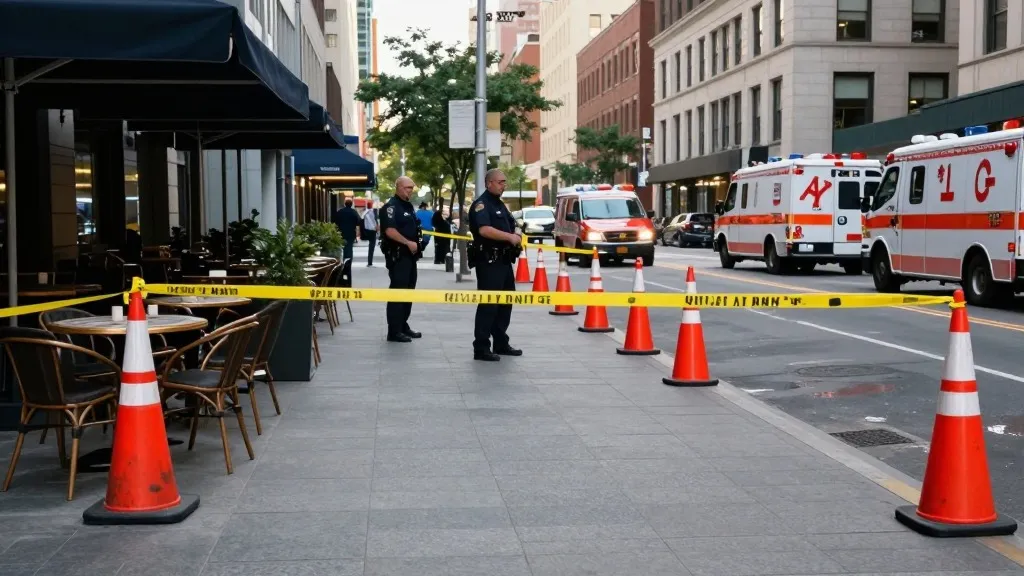
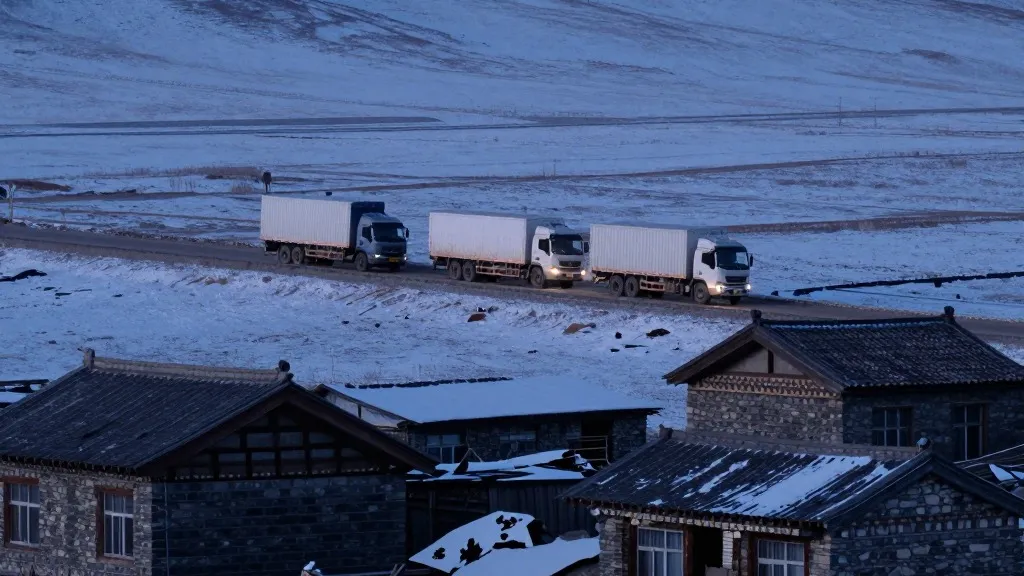
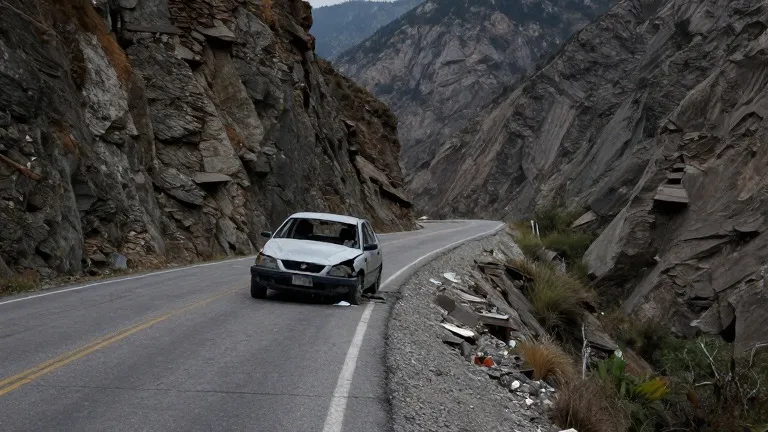
The legal battle centers on a raid conducted on April 19 in the municipality of Morelos. Chihuahua state authorities announced they had dismantled a major drug laboratory in the state's mountains. During the return journey, one vehicle in the convoy lost control and plunged into a ravine. The crash killed Pedro Román Oseguera Cervantes, the first commander of the state investigation agency, and officer Manuel Genaro Méndez Montes. Two Americans also died in the incident.
At the time of the crash, Jáuregui described the two American victims as instructor officers participating in binational anti-drug cooperation. He characterized the targeted facility as one of the largest chemical drug production sites found in the country. The operation concluded without arrests because the suspects fled the scene. The deaths quickly drew scrutiny regarding the presence of U.S. personnel on Mexican soil and President Claudia Sheinbaum's focus on national sovereignty.
Jáuregui resigned from his post to allow for a thorough inquiry. He was arrested on Oct. 17 on state charges of illegal exercise of public office. A judge ruled Thursday that those state charges can proceed to trial. Federal prosecutors subsequently added the treason charge, alleging that Jáuregui endangered national security by approving the participation of U.S. agents in a field operation. Under Mexican law, this decision is reserved for the federal government.
Defense attorney Héctor Villasana stated that federal prosecutors requested an exemplary punishment during a closed hearing. Villasana said the goal was to prevent a scenario similar to the U.S. removal of Venezuelan President Nicolás Maduro. The U.S. State Department confirmed it is monitoring the case but noted it does not link the treason charge directly to the CIA deaths.
Legal experts remain skeptical that the treason charge will stand. Samuel González, a former chief prosecutor for organized crime, argued that while Jáuregui may have failed to inform federal authorities or allow foreign agents to carry weapons, such actions do not constitute treason. González described the crime as one typically applied in wartime. Carlos Pérez Ricart of the CIDE university called the case a political decision ahead of the 2027 midterm elections. He warned that the move sends a strong negative signal to Washington.
Conflicting accounts have emerged regarding the status of the two American victims. U.S. Ambassador Ronald Johnson identified them as embassy personnel. Multiple people familiar with the matter told CBS News that they were CIA agents. The CIA has declined to comment. Mexico's security ministry stated that one agent entered the country as a visitor and the other with a diplomatic passport. The ministry added that neither held formal accreditation for operational activities.
Two other U.S. agents traveling in a separate vehicle were later expelled from the country. President Sheinbaum stated that none of the agents had permission to operate in Mexico. U.S. agencies have a long history of operating in Mexico, though former President Andrés Manuel López Obrador limited such activities. Sheinbaum has since amended the Constitution to bar field operations without express Mexican authorization. Pérez Ricart noted that these actions have often occurred without federal knowledge, a dynamic that can lead to abuses in the absence of clear rules.
Source: CBS News