Osasco's Mall Boom Swings Local Vote to Flávio Bolsonaro
In a former industrial hub that backed Lula in 2022, the rise of service jobs and delivery apps has shifted voter preference toward the right-wing candidate in Sunday's run-off.
By Fatima Laurent ·
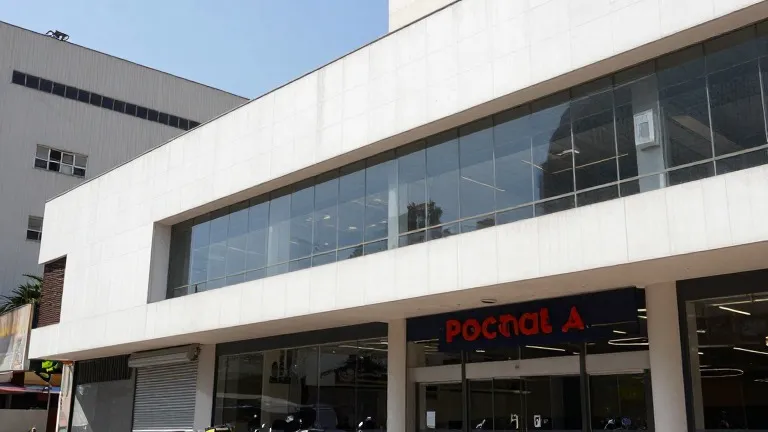
Osasco, a city in São Paulo state known for its industrial past, voted for Flávio Bolsonaro in the first round of Brazil's presidential election this month. In 2022, the same municipality supported President Luiz Inácio Lula da Silva. The shift reflects a wider change in how residents earn their living, with factory jobs replaced by roles in retail and digital delivery services.
Local union leaders describe a rapid deindustrialization. Gilberto Almazan, who leads the local metalworkers' union, notes that metal, chemical, and textile plants have disappeared while five shopping malls have been built. He argues that the traditional working-class base that supported Lula is no longer primarily industrial. Many workers now drive for apps or work as food couriers, a trend Almazan calls "Uber-isation." He says these workers prioritize flexibility over the collective welfare protections Lula has traditionally offered.
Richard Lapper, a biographer of both candidates, points out that Brazil industrialized late and deindustrialized early, intensifying the economic transition. He describes Lula as a "victim of his own success." While unemployment reached a record low and Brazil was removed from the UN's Hunger Map under Lula's current term, many voters feel the burden of high prices, debt, and interest rates. Robson, a 53-year-old civil servant who previously supported Lula, blames government mismanagement for the tax burden. Tairine, a hot dog seller who previously abstained, says she is voting for Bolsonaro because she sees no change.
Flávio Bolsonaro proposes cutting government spending and some taxes while keeping key welfare programs. He faces corruption accusations, which he denies. In the first round, 33 million people did not vote, the highest abstention rate since 1998. Lula's campaign is holding large street rallies to mobilize voters, with one event in São Paulo drawing approximately one million people. Lula, 80, has used social media to address concerns about his age, referring to himself as the "king of selfies."
Among lower-income voters, Lula's welfare record still holds weight. In Maré, a large favela in Rio de Janeiro, Lula won despite above-average abstention. Vitoria, an 18-year-old mother, supports Lula for his minimum wage increases and free medicines. She fears Bolsonaro's plan to designate the Comando Vermelho gang a terrorist organization, citing a police raid last year that killed more than 130 people. Andreza Dionísio, a resident, blames last-minute polling station changes and a sense of hopelessness for the low turnout.
Evangelical churches are increasingly providing social services, such as childcare and food, to fill gaps left by the state. Pastor Silas Malafaia, who is under investigation for allegedly obstructing the coup trial of Jair Bolsonaro, says Flávio Bolsonaro shares the church's values on family and abortion. Almazan fears there will never be another Lula, leaving the final outcome dependent on whether voters believe the current president can offer a new economic story.
Sunday's run-off will determine the next president. Every first-round winner since 1989 has gone on to win the presidency. The contest hinges on how voters weigh Lula's welfare record against Bolsonaro's proposals for fiscal cuts and a shift in the role of the state.
Source: BBC News