BBC Studios Retains Imperfect Imagery to Verify Authenticity of New Ocean Series
Producers of Blue Planet III have deliberately preserved cloudy water and background artifacts to distinguish the footage from artificial intelligence generation.
By Natalia Thornton ·
The rise of generative artificial intelligence has altered how audiences perceive visual media, creating a need for nature documentaries to prove their authenticity through imperfect visuals. The BBC has responded to this shift in its new series, Blue Planet III, by intentionally retaining cloudier and less polished footage in the final edit. This decision aims to reassure viewers that the remarkable deep-sea sequences are authentic photographs rather than digital creations.
Executive producer Elizabeth White stated that AI drives the team to be more authentic in its presentation. She explained that animals filmed in the deep ocean are likely more remarkable than artificial intelligence can imagine. White noted that the series is completely real, contrasting the organic look with the precision of computer-generated imagery.
Production practices have changed to support this goal. In previous iterations of the franchise, editors often removed sequences containing high volumes of plankton or other suspended materials. Teams also frequently framed out boats, buoys, or rejected shots due to poor water conditions. For the third installment, these details remain in the footage. White said the team is leaning into this authenticity and expects to use even murkier imagery as AI technology continues to grow.
Jack Bootle, the BBC head of specialist factual commissioning, provided a specific assurance to journalists at a press screening. He stated that no generative AI was used in the series and that not a single frame is artificial. Bootle described the production as a golden age of natural history-making, noting that while viewers may feel they have seen similar content before, this series is full of novel behavior.
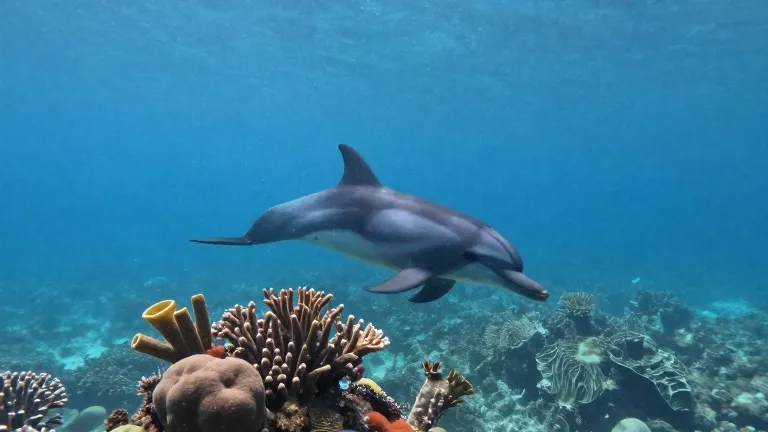
The new footage includes several first-time recordings of animal interactions. One sequence shows dolphins using sea sponges to block holes in coral and trap fish. This behavior was captured using underwater CCTV technology developed by the program's producer and director, Yoland Bosiger. Other scenes feature a grouper communicating with another species of fish, 200,000 crabs lining up in formation to feed, and sea urchins using shells as sun hats.
Technical innovation played a major role in capturing these moments. Filming took four years across five oceans. Series producer Lara Bickerton said the studio continually innovated by building a mini-dome camera to follow an octopus and a device described as a deep-sea selfie stick. Camera operators also wore leg-mounted scooters to capture immersive diving footage, and lasers were used to film deep-sea animals.
The series addresses environmental threats alongside ocean resilience. One episode details how warmer seas caused by the climate crisis are killing the sea anemones where clownfish live. The footage shows the fish attempting to repair their homes. The theme of plastics from the second series continues with a story on pollutants and forever chemicals, according to White.
Narrator David Attenborough, who is 100, was heavily involved in the production process. Bosiger said Attenborough made changes to the scripts and remains excited when shown new footage. White noted that he has not lost his curiosity. She also mentioned that the series saved money by using more local crews on location than earlier productions, a detail relevant to the BBC's wider cost-cutting drive.
Blue Planet III is set to begin broadcasting on BBC1 and iPlayer on Sunday, 1 November.
Source: The Guardian